ALG DZ · Explore the Algerian Sahara

The Algerian Sahara

A desert of many worlds

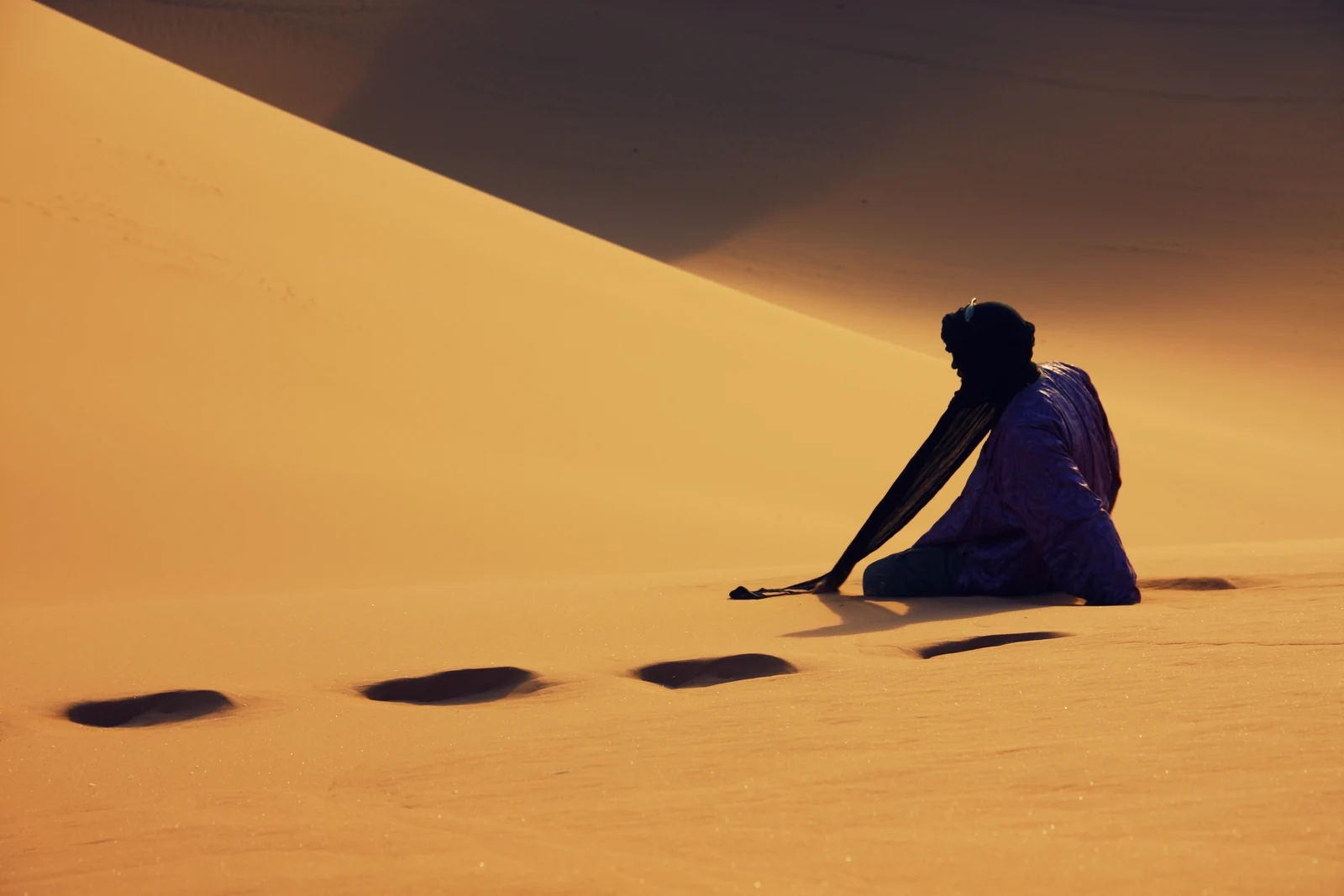
Sand is only the beginning. Follow sandstone corridors near Djanet, look across the mountain forms of the Ahaggar, and discover the work, water and imagination behind Algeria’s oasis towns. Choose a region, understand its character, and give it time.

Timerzouga dune, Tadrart, Djanet region
Timerzouga dune, Tadrart, Djanet region © Hamdanmourad · CC BY-SA 3.0

01 / Explore the region

Look beyond the horizon

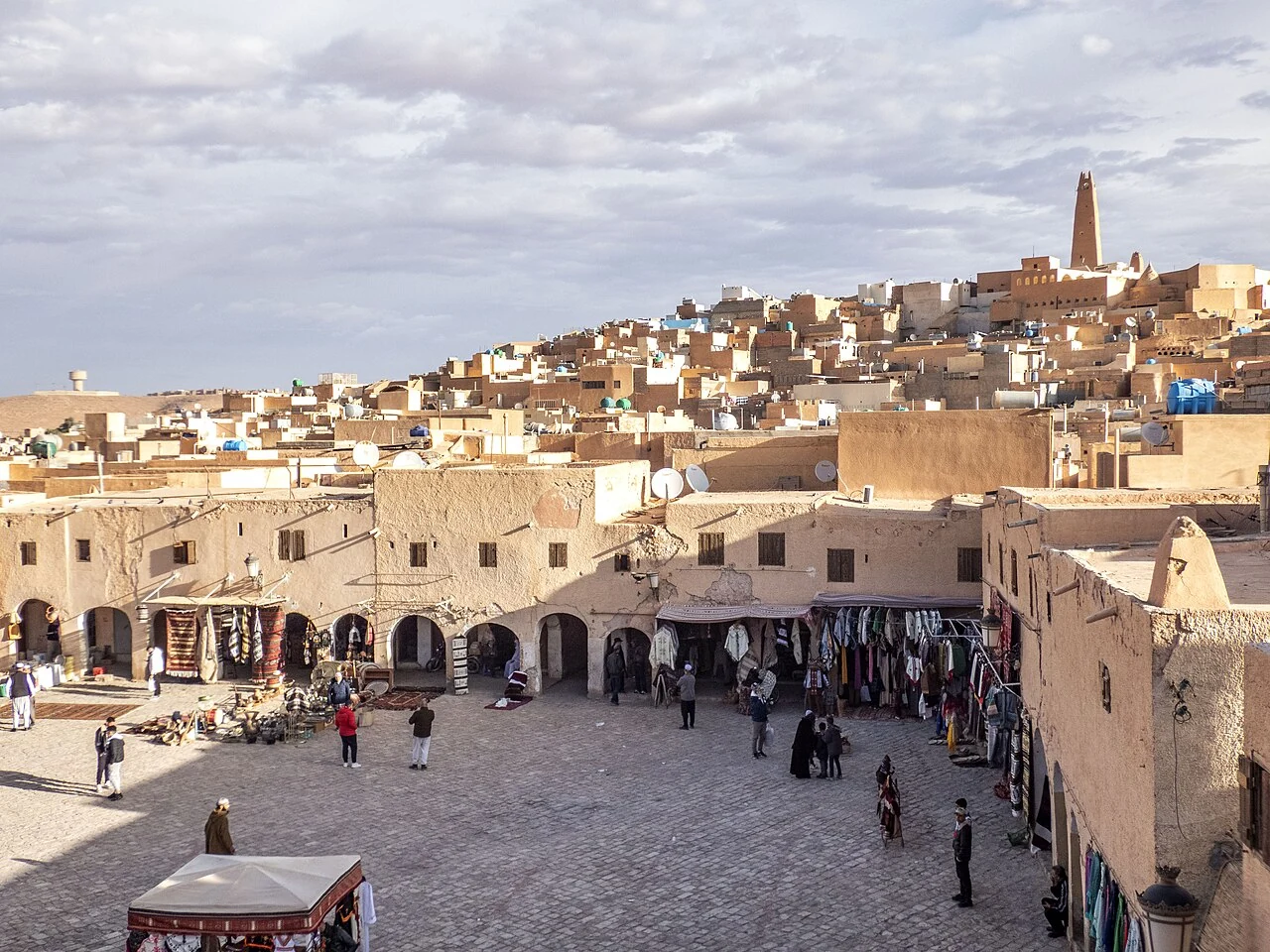
The most rewarding Sahara journey is not necessarily the one that covers the most ground. A rock painting asks you to slow down; a palm garden becomes more interesting when someone explains how water reaches its roots. Between the ksour of the M’Zab, the oases of Gourara and the cultivated depressions of the Souf, settlements reveal very different answers to the same questions of shelter, water and community. These guides help you see those differences rather than collect interchangeable desert views.

Start with the experience you want: walking among sandstone formations, travelling through mountain country, exploring inhabited architecture or learning from oasis growers. Then choose a realistic base and a locally confirmed route. Our destination guides pair landscape and cultural context with decisions about pace, guiding and comfort; the planning and heritage guides supply the wider picture. Suggestions are starting points for a conversation with local professionals, not claims that every place is open or every journey suitable for every traveller.

02 / Destinations

Six regions, six different journeys

Explore a destination in depth before combining it with another. Each guide explains what distinguishes the place and what to establish before booking.

01 Sandstone landscapes and rock art

Djanet, Tassili n’Ajjer and Tadrart

Begin with Djanet, then choose the desert journey you actually want. A walking itinerary on the Tassili plateau and a Tadrart circuit are different propositions, connected by remarkable landscapes and rock art but demanding their own conversations about access, pace and support.

Read the guide
02 A mountain journey in the Sahara

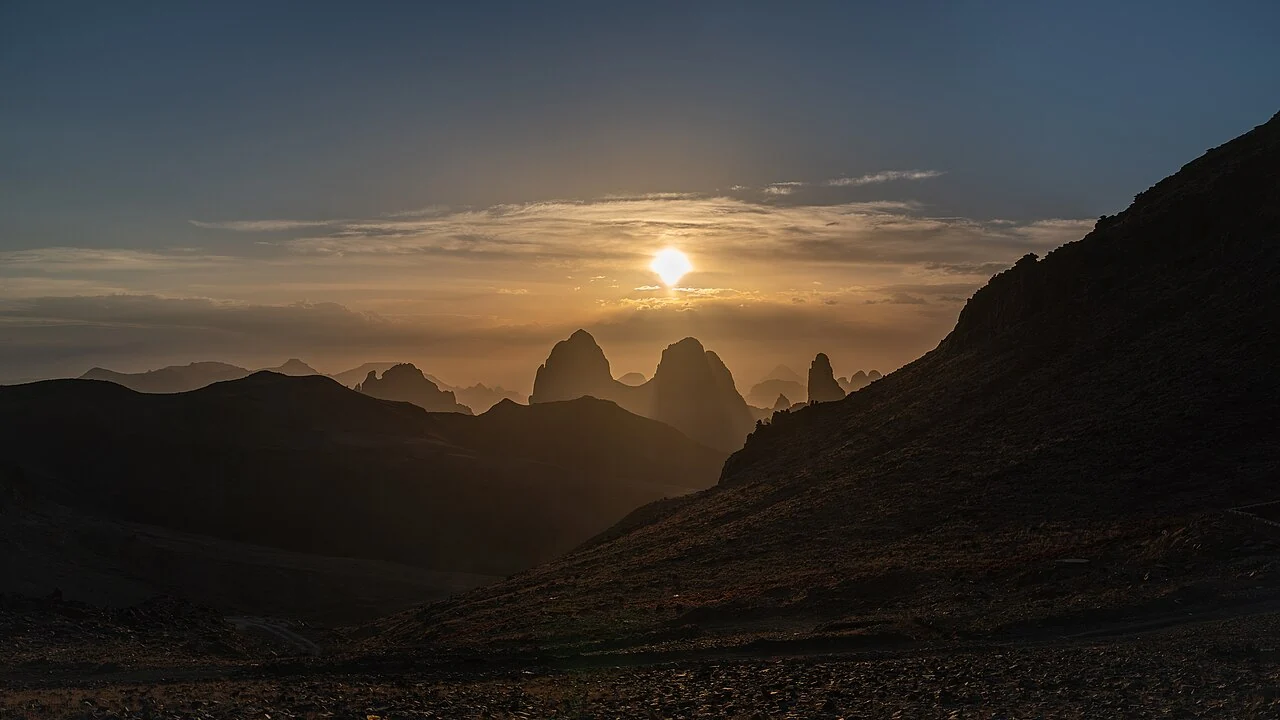
Tamanrasset, the Ahaggar and Assekrem

The Ahaggar changes the scale and shape of a Sahara journey. Use Tamanrasset to prepare for mountain landscapes around Atakor and a possible Assekrem visit, allowing time for walking, local context and the practical demands of travelling beyond town with a knowledgeable team.

Read the guide
03 Townscape, water and living voices

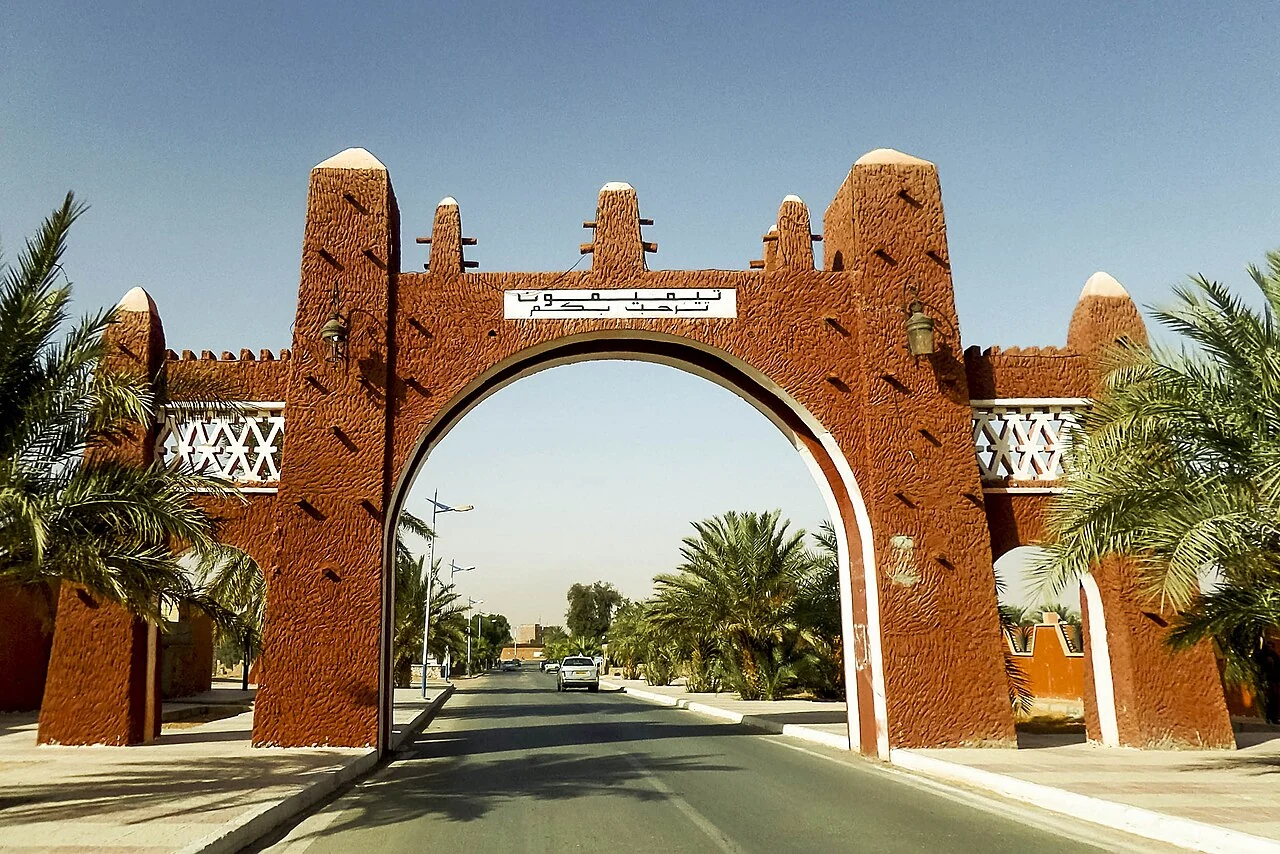
Timimoun and the oases of Gourara

Timimoun rewards a journey that looks beyond its red-ochre buildings. Explore the relationship between town, oasis settlements and the sebkha landscape, then make time for the knowledge and community life that sustain Gourara, from water distribution to the poetic and musical tradition of Ahellil.

Read the guide
04 Oases at the edge of the sand

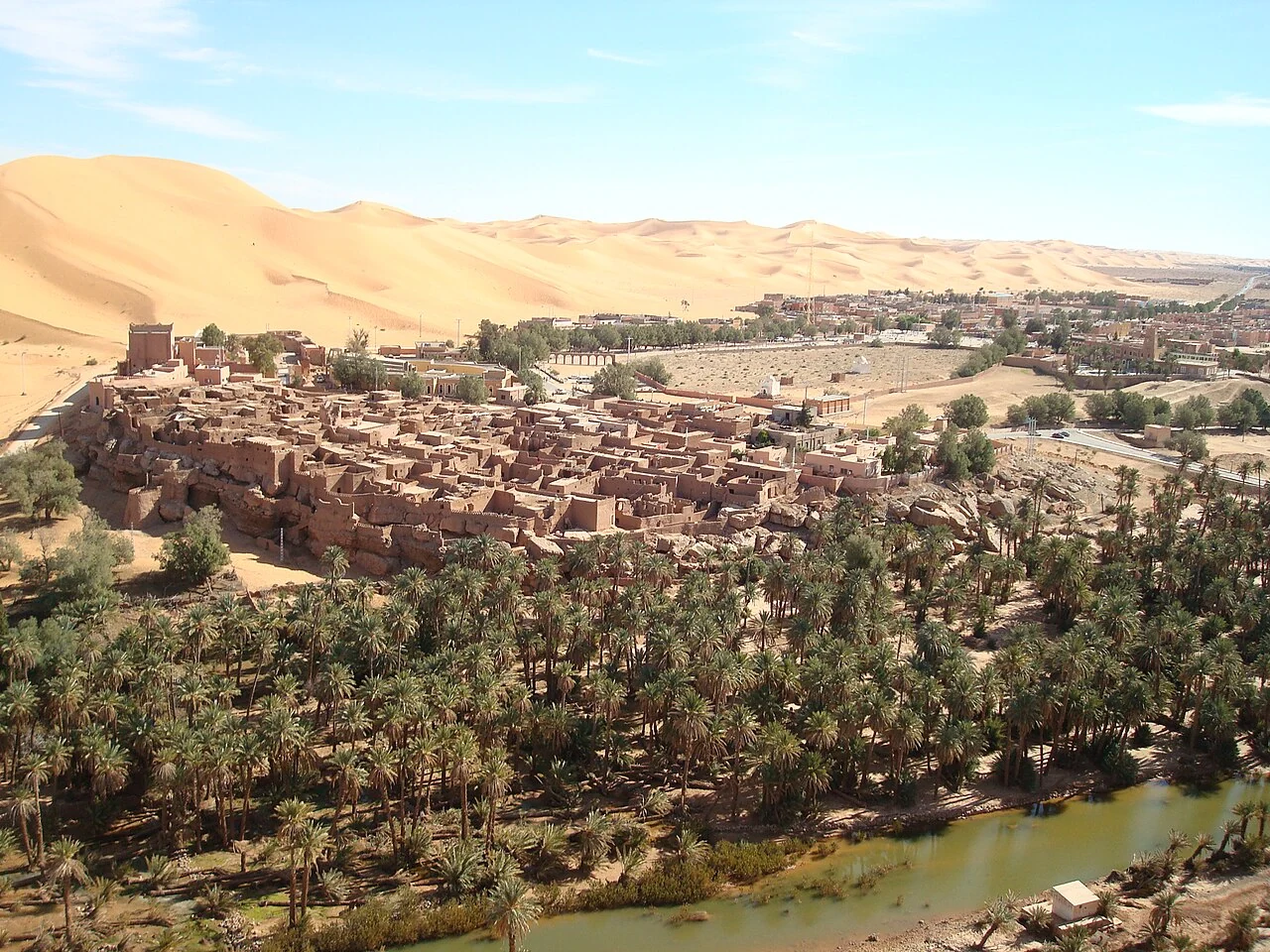
Saoura: Taghit and Beni Abbes

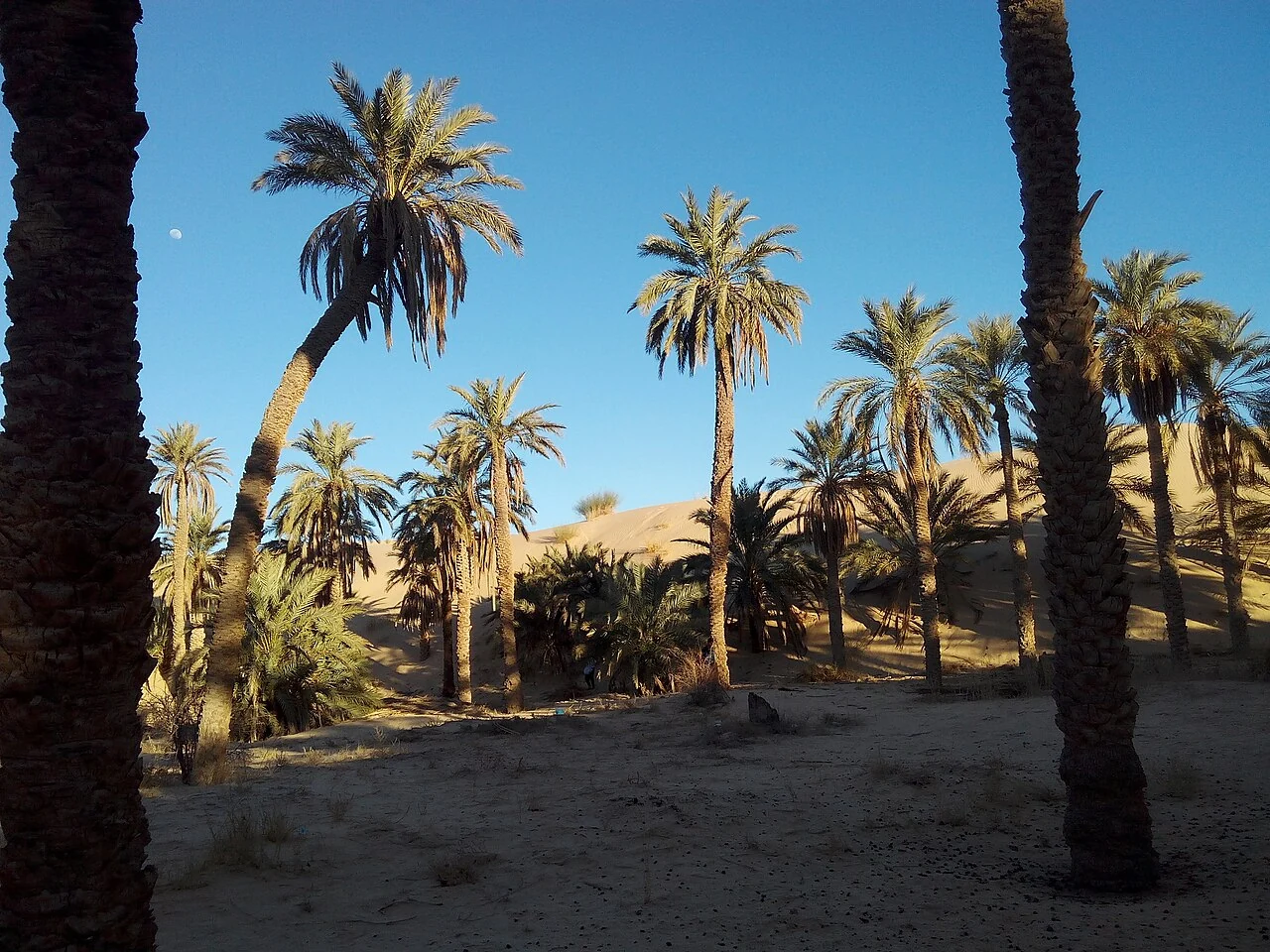
Taghit and Beni Abbes offer two rewarding perspectives on western Algeria’s oasis landscapes. Understand their different settings before combining them, then make space for palm groves, old settlements and the contrast between dunes, rocky ground and the channels that help organise the region.

Read the guide
05 Architecture shaped around community

Ghardaia and the M’Zab Valley

Explore the M’Zab as a living cultural landscape rather than a collection of picturesque streets. Its five historic ksour, palm groves and systems of communal life reward a thoughtful guided visit, with architecture, water and the privacy of today’s residents kept in the same frame.

Read the guide
06 An oasis landscape shaped from below

El Oued, the Souf and ghout gardens

El Oued is an entry point to a particularly inventive oasis landscape. Discover how the traditional ghout brings palm roots close to groundwater, then connect that agricultural knowledge with the town’s domed roofscape, food, craft and the daily work of maintaining gardens in sand.

Read the guide

03 / Destinations

Find your part of the Sahara

Use these six regional starting points to understand the collection. Djanet and Tamanrasset serve different desert landscapes; Gourara, Saoura, the M’Zab and Souf have their own histories and ways of living with water. This overview does not show practical driving connections.

  1. 1Djanet
  2. 2Ahaggar
  3. 3Timimoun
  4. 4Saoura
  5. 5M’Zab
  6. 6Souf

Schematic regional orientation, not a road/route map.

Find your part of the Sahara123456

Regional orientation · Natural Earth, public domain

04 / Experiences

Follow your curiosity

Sunrise over the Atakor, seen from Assekrem
Sunrise over the Atakor, seen from Assekrem © IssamBarhoumi · CC BY-SA 4.0

05 / Plan your journey

Build a journey that fits

Turn a shortlist into a workable trip: compare seasons and terrain, ask precise transport questions, agree on camp arrangements, and check entry requirements, current official advice and insurance for your actual itinerary.

Season is a planning variable, not a safety guarantee. Heat, cold, wind, rain and local access conditions affect different regions and elevations differently; review the forecast and the operator’s contingency plan close to departure.

Read the guide ↗
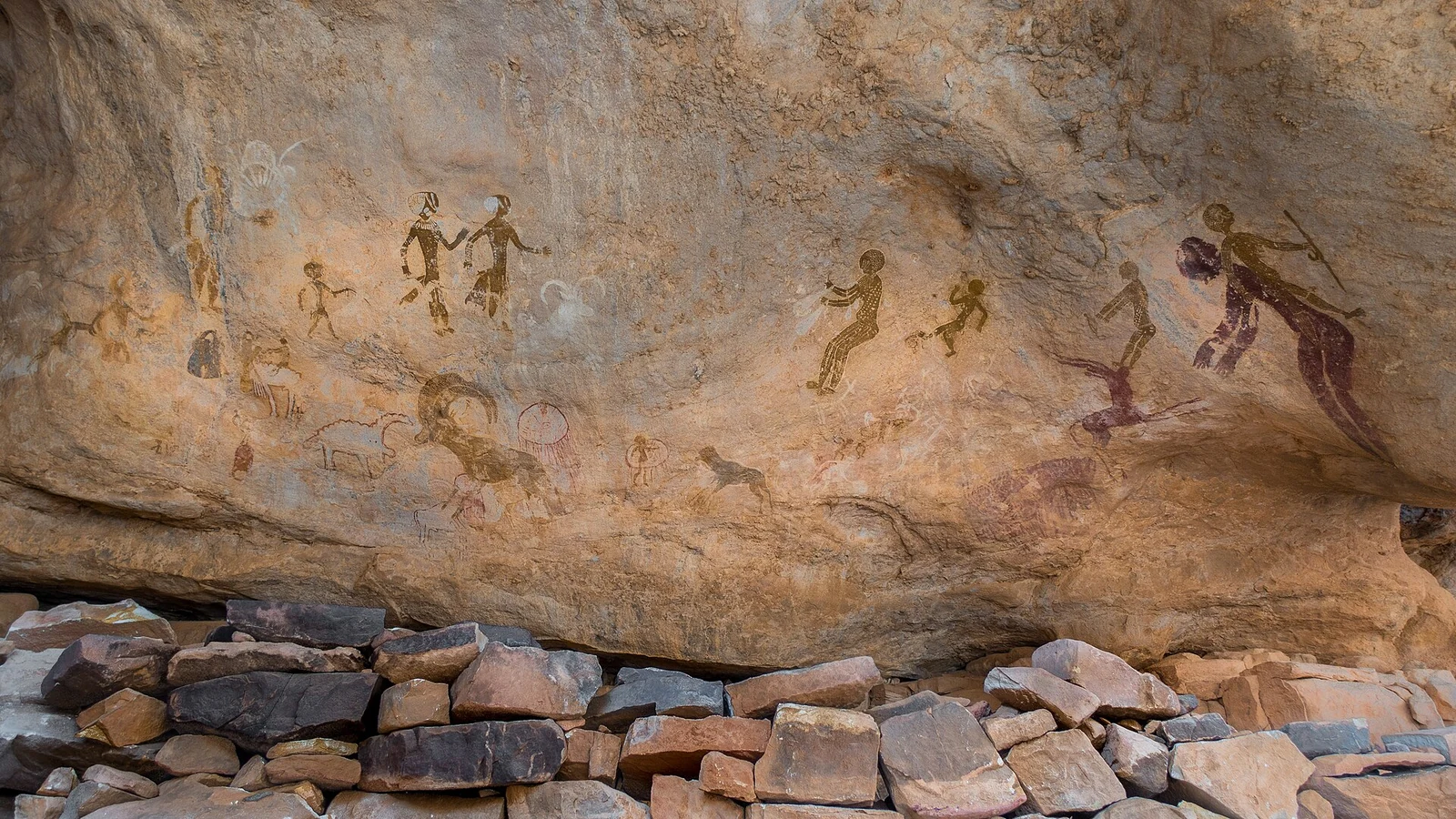
Rock paintings at Tanzoumaitak, Tassili n’Ajjer
Rock paintings at Tanzoumaitak, Tassili n’Ajjer © IssamBarhoumi · CC BY-SA 4.0

06 / Culture and heritage

Oasis culture and Saharan heritage

The Sahara’s heritage is held in working gardens, inhabited settlements, music, craft and rock art as well as celebrated landscapes. Learn to distinguish its different water systems and communities, understand what heritage recognition actually protects, and turn a visit into a more informed encounter.

Oases are homes and workplaces. Ask before entering gardens, photographing people or recording music; follow local guidance at religious places and leave rock art, water systems and archaeological material untouched.

Read the guide ↗

More from our Sahara collection

Sources and further reading

The guides draw on inspected UNESCO and FAO heritage descriptions, Algerian regional tourism information, limited supplementary geographical references and official travel advice. These sources establish context, not live opening times, transport availability or permission to travel. Recheck arrangements with the appropriate authorities and your chosen operator.

Sources checked

Photo credits

Resized and converted to WebP; display framing may crop the image. Image reuse is subject to its linked licence.

Back to top ↑