ALG DZ · A country of many journeys

Algeria, beyond a single journey

Mediterranean mornings. Mountain roads. Desert horizons.

Start with the Algeria you want to experience. A city break, a journey through living heritage, a stretch of coast or time in an oasis each has its own rhythm. Choose a region, give it room, and let the places between the landmarks become part of the trip.

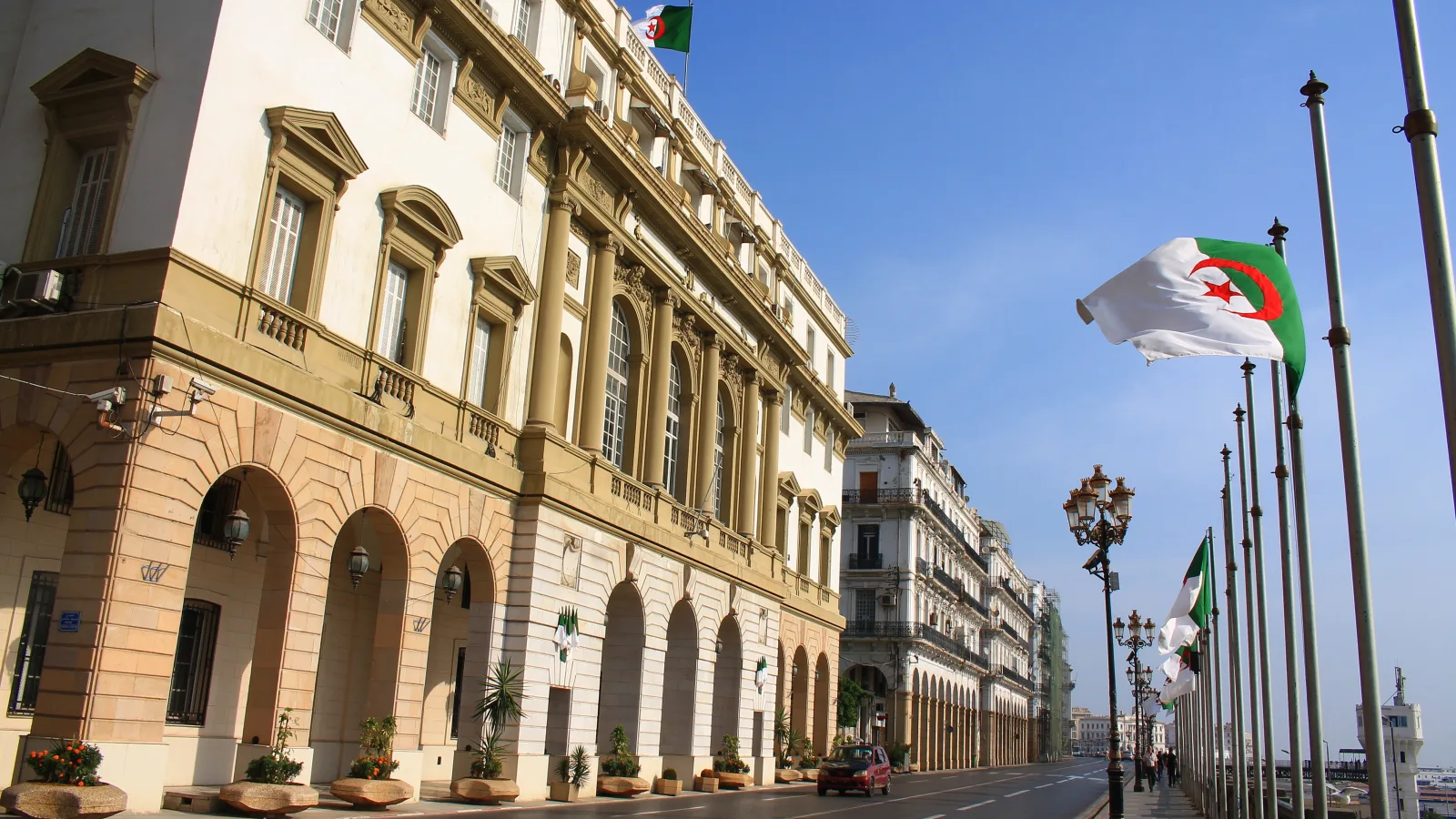
Architecture and street scene in Algiers
Algiers Capital · Mediterranean

01 / Places to discover

Choose a place, not a checklist

Algeria rewards a little selectiveness. Algiers opens onto the Mediterranean; Constantine draws the eye across a deep gorge; Tlemcen invites a slower reading of courtyards, streets and monuments. Beyond the cities, Kabylia brings mountain villages and a dramatic coastline, while the Sahara contains very different landscapes and ways of life.

The best starting point is the experience you want and the time you actually have. Build around one base or a small sequence of overnight stops. A place that looks close on a country map can require a substantial transfer, and a desert journey needs its own arrangements rather than a spare day at the end of a northern circuit.

02 / Places to discover

Places to discover

Capital · Mediterranean

Algiers

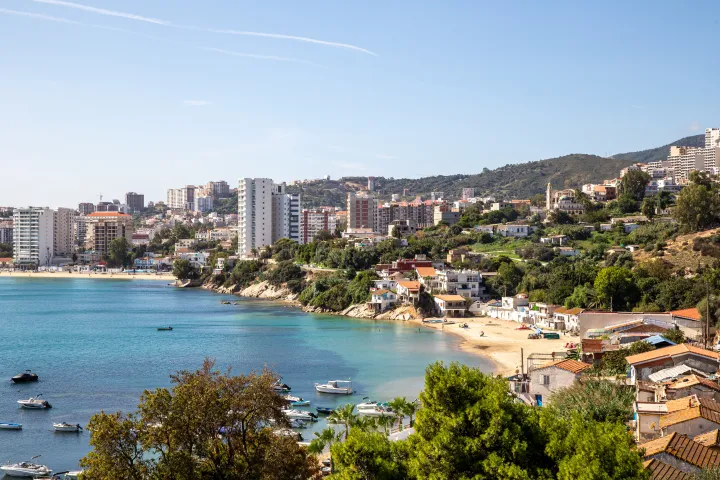
A first encounter with Algeria through its seafront, hillside neighbourhoods and the narrow passages of the Casbah. Alternate a substantial heritage walk with time in gardens, museums or a café overlooking the city; the changes in height are part of the experience.

  • Casbah and historic streets
  • Waterfront and city panoramas
  • Gardens and cultural collections

Choose it for a first city stay with varied days. Plan Tipasa as a separate excursion rather than squeezing it into a full Algiers day.

Explore
Western Algeria · City and sea

Oran

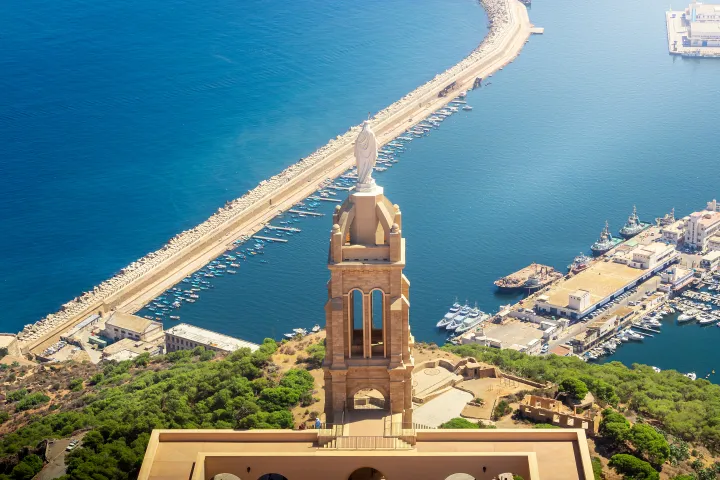
Oran combines urban energy, coastal views and the heights around Santa Cruz. Give the city centre and the elevated viewpoints different parts of the day; seeing the bay from above is not the same experience as walking the streets below.

  • City-centre architecture
  • Santa Cruz viewpoints
  • Coastal atmosphere

Choose it for an urban western base. If you add Tlemcen, treat the journey and the second city as a proper stage, not a rushed detour.

Explore

Eastern Algeria · Gorge and bridges

Constantine

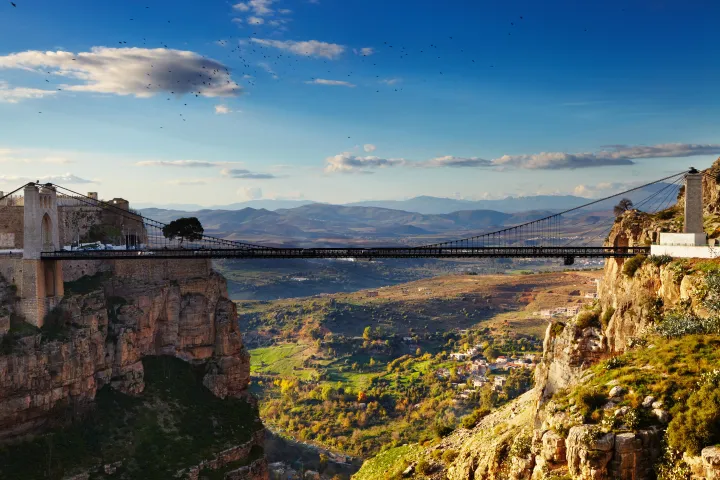
Here the landscape shapes the city. Bridges cross the Rhumel gorge, streets reveal sudden viewpoints, and the old urban fabric asks to be explored on foot. Leave time between monuments simply to understand how the city sits on its rock.

  • Rhumel gorge
  • Bridges and viewpoints
  • Old-city walks

Choose it for distinctive urban scenery and heritage. Check gradients and the exact walking approach when planning for reduced mobility.

Explore

Northeastern coast · History and sea

Annaba

A coastal city where a seaside stay can be combined with the ancient site of Hippo and the hill of Saint Augustine. The Edough landscape adds another dimension, but the beach, archaeological visit and upland outing need different practical plans.

  • The coast and bay
  • Hippo's ancient remains
  • Saint Augustine hill

Choose it when you want sea and history in one regional stay. Decide which excursions matter before selecting your base and transport.

Explore

Western heritage · Architecture

Tlemcen

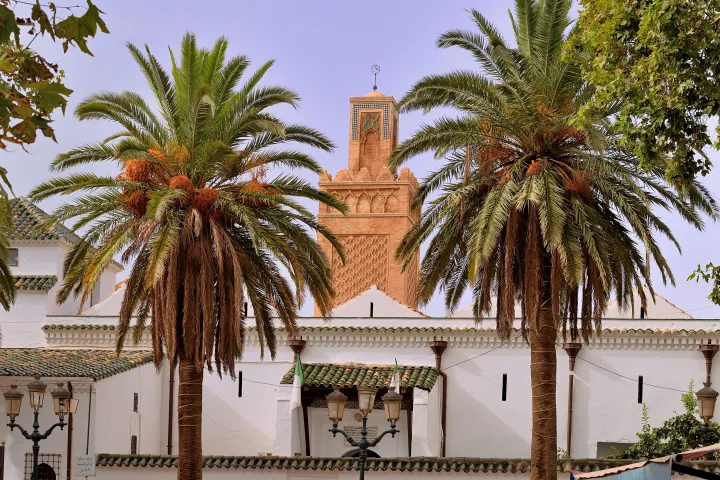
Tlemcen offers a journey through architectural detail and the layers of an old cultural centre. The Great Mosque, the Sidi Boumediene ensemble and Mansourah belong to different settings: allow time to move between them and to look beyond the most photographed façade.

  • Historic centre
  • Sidi Boumediene
  • Mansourah

Choose it for an unhurried heritage stay. A religious building's historic importance does not guarantee tourist entry; check local arrangements and respect worship.

Explore

Mountains · Villages · Coast

Kabylia

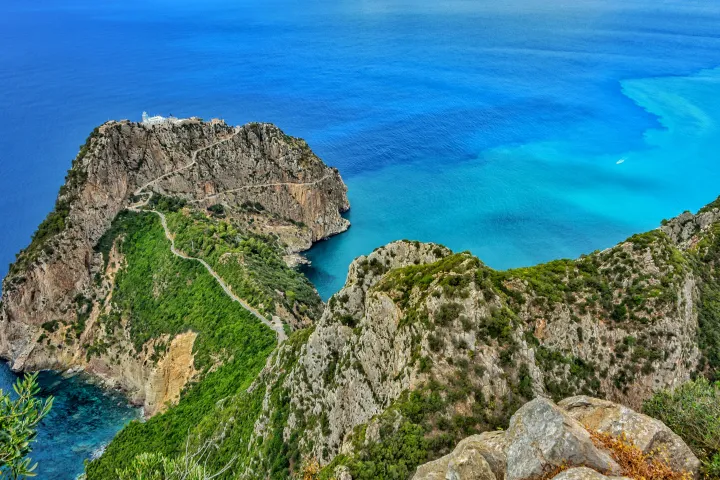
Kabylia is a region, not a single stop. The Béjaïa coast and the mountain landscapes around the Djurdjura suggest different bases and different days. Choose between a coastal stay with selected outings and a mountain-focused journey rather than promising yourself the whole region at once.

  • Béjaïa and its coastal scenery
  • Djurdjura mountain landscapes
  • Village life and local crafts

Choose it for landscape and a slower regional rhythm. Match walks to the season, terrain and local advice; a scenic road is not automatically a hiking route.

Explore

Oases · Dunes · Mountain deserts

Sahara

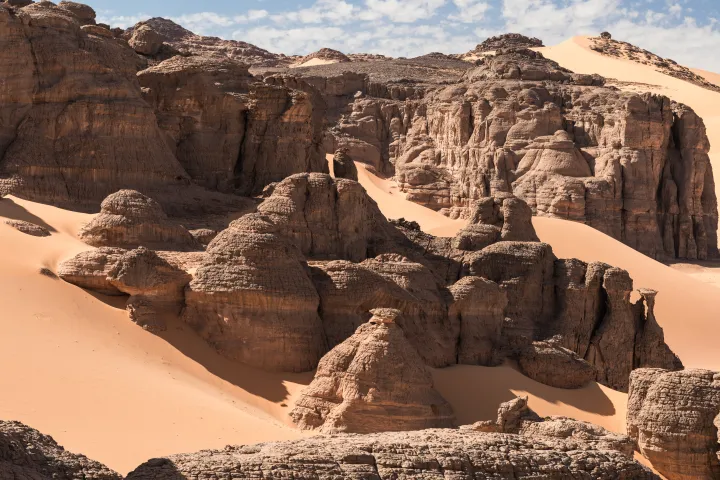
The Sahara is not one interchangeable landscape. Djanet and the Tassili, Tamanrasset and the Ahaggar, the Gourara around Timimoun, and the M’Zab each call for a different journey. Start by choosing a region and the kind of experience you want, not by connecting every famous name.

  • Oases and living communities
  • Sandstone and mountain landscapes
  • Desert journeys with local expertise

Choose it as a journey in its own right. Confirm the season, transport, guiding, permissions and return arrangements for the specific itinerary.

Explore

Archaeology · Living heritage

Historic sites

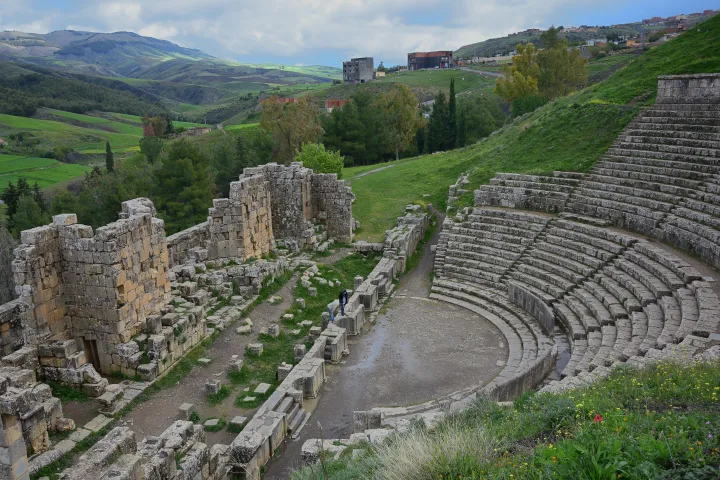
Tipasa, Djémila, Timgad and the Casbah are not versions of the same visit. Coastal remains, an ancient hillside town, an ordered Roman city and a living historic quarter reward different ways of looking. Select sites that fit your region and give each the time its setting deserves.

  • Roman urban landscapes
  • UNESCO-listed heritage
  • Historic quarters still lived in

Choose one or two meaningful visits instead of a marathon of ruins. Check current access, shade and walking conditions, and never climb on fragile remains.

Explore

03 / Find your bearings

Understand the distances before drawing the route

Most of the featured cities lie in the north, but that does not make them a single compact circuit. Use the northern view to compare your bases, and the country view to understand why a Saharan stage needs separate time and planning.

From the Mediterranean to the Sahara

From the Mediterranean to the SaharaSahara
7Sahara

Orientation map, not a driving route. Northern places are shown separately so that their proximity on a national map does not hide the transfers involved. Map outline: Natural Earth, public domain.

04 / Choose a region

Choose a region

Northern Algeria

Start with the Mediterranean cities, a manageable stretch of coast and selected inland excursions. Algiers can anchor a first stay, while Kabylia changes the balance towards mountains and regional landscapes. The east and west below are also part of the north: these are travel orientations, not administrative boundaries.

A good approach: one main base, then a small number of planned excursions.

Explore

Southern Algeria

Choose the southern region before choosing activities. An oasis stay, a journey through the Tassili and a mountain-desert itinerary around the Ahaggar have different access and logistical needs. Distance, heat and return transport should shape the plan from the beginning.

A good approach: one coherent desert region, with arrangements confirmed locally.

Explore

Eastern Algeria

Build around the experience that interests you most: Constantine's gorge and urban heritage, Annaba's coastal setting, or archaeological stages towards Djémila and Timgad. Do not assume that every eastern highlight is a day trip from the same hotel.

A good approach: group visits around their nearest practical base and allow transfer time.

Explore

Western Algeria

Oran and Tlemcen offer complementary, rather than interchangeable, experiences. The first is a lively coastal city; the second invites a heritage-focused stay. Add a coastal outing only when it fits the route and the season instead of extending the circuit simply to collect stops.

A good approach: give each chosen city its own time, with a clear link between stages.

Explore

05 / Journey ideas

Three ways to shape a northern journey

These are planning ideas, not packaged tours or transport promises. Choose your overnight bases first, then adapt the sequence to your arrival point, interests and confirmed connections.

A few days to a week

A first encounter around Algiers

Algiers · a separate Tipasa excursion · optional Kabylia stage

Begin with contrasting city days: the Casbah and old streets, then waterfront, gardens or a chosen museum. Keep the Tipasa excursion separate. If you have more time, add an overnight stage towards Béjaïa or the mountains rather than treating all of Kabylia as a quick return trip.

Two bases, one regional journey

Two perspectives on the west

Oran · Tlemcen

Give Oran time at street level and above the bay, then change base for Tlemcen's architectural heritage. This keeps a long day from becoming mostly transport. A coastal extension is an option to assess, not an essential extra that every itinerary must include.

A week or longer, depending on the stages

The east, through cities and ancient landscapes

Constantine · selected archaeological stages · optional Annaba

Use Constantine as an urban starting point. Plan Djémila in relation to the Sétif area and Timgad in relation to Batna, checking each transfer rather than drawing an optimistic loop. Add Annaba only if there is room for the coastal stay and the onward journey; it need not be part of the same trip.

06 / Before you go

Make room for the journey itself

A useful itinerary leaves space for the ordinary parts of travel: finding your way, eating, changing accommodation and adjusting a plan when weather or access changes.

Choose the season for the actual landscape

Coastal weather, highland conditions and desert heat do not follow one travel calendar. Check the forecast for the places and elevations you intend to visit. In warmer periods, plan exposed walks carefully; in the mountains, ask about current conditions rather than relying on a city's forecast.

Check connections before joining the dots

Do not build a tight route around assumed flight, rail or coach services. Confirm what is operating, the station or airport involved, the onward transfer and the return. Keep an arrival or departure margin, especially when a desert stay connects to another journey.

Treat heritage as a lived place

A historic district is also somebody's neighbourhood. Ask before photographing people or entering courtyards, follow local guidance around worship, and support legitimate local guides and small businesses. Archaeological remains and rock art should be observed without touching, climbing or marking them.

Match the plan to your walking needs

Steps, slopes, uneven paving and exposed archaeological paths can matter more than the number of kilometres. Ask about the precise entrance and final approach, not just whether a site is described as accessible. Reduce the day's spread when travelling with children or anyone who needs a gentler pace.

Go deeper into the landscapes

Keep exploring the guides