


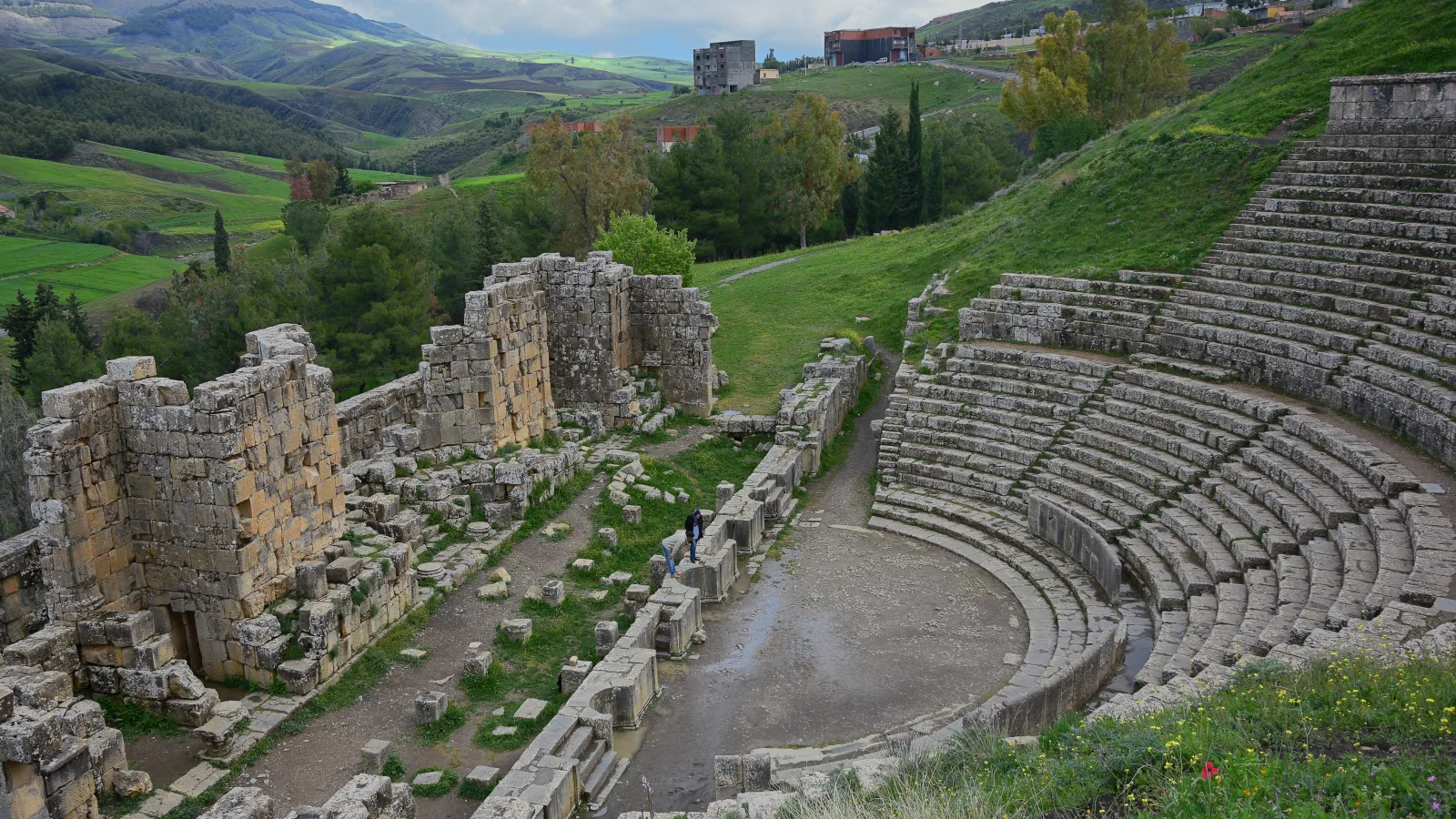
Algeria’s protected landscapes range from Mediterranean forests and wetlands to mountain areas, desert plateaus and globally important rock-art landscapes.
Algeria’s protected landscapes range from Mediterranean forests and wetlands to mountain areas, desert plateaus and globally important rock-art landscapes.
Access
Check current access and local rules before travel.
Conservation
Respect protected landscapes, rock art, wildlife and local communities.
Safety
Use current official advice for remote, mountain, border and Sahara areas.
Full guide
Algeria’s national parks protect a rare mix of Mediterranean forests, Kabylie mountains, wetlands, cedar highlands and Saharan rock landscapes. For travelers, they are not just picnic stops: they are places where Algeria’s climate zones, wildlife, history and local communities meet. This guide introduces the main parks visitors usually research first, explains how to plan responsibly, and shows which park fits each kind of trip.
If this is your first nature-focused journey in Algeria, start by matching the park to your route. Chréa, Djurdjura, Gouraya, Taza, Theniet El Had, Tlemcen, Belezma, Djebel Aissa, El Kala, Ahaggar and Tassili n’Ajjer all offer different conditions, access needs and best seasons. Mountain parks near northern cities can suit a short trip; Saharan parks around Tamanrasset and Djanet need more preparation, local guidance and respect for protected cultural landscapes.
Why Algeria’s national parks matter
Algeria is the largest country in Africa, and its protected landscapes reflect that scale. A traveler can move from humid coastal forests to cedar mountains, from bird-rich wetlands to high plateaus, and finally to the sandstone arches and volcanic massifs of the deep Sahara. National parks help protect these habitats while giving visitors a structured way to experience them without treating fragile places as open playgrounds.
For ALG DZ readers, the practical point is simple: do not choose a park only by distance on a map. Choose it by season, road access, weather, guide availability, personal fitness, and the rules that apply locally. Some parks are realistic day trips from major northern cities. Others require a licensed guide, a 4x4 itinerary, early starts, accommodation planning and careful coordination with local authorities or tourism professionals.
Main national parks travelers should know
Chréa National Park
Chréa is one of the easiest mountain escapes for visitors based around Algiers or Blida. It is known for Atlas cedar scenery, cool air, winter snow when conditions allow, and viewpoints over the Tell Atlas. Because access can be busy on weekends and weather can change quickly, it works best as a prepared day trip rather than a spontaneous drive in unsuitable conditions.
Djurdjura National Park
Djurdjura protects dramatic Kabylie mountain landscapes, ridges, forests and traditional highland surroundings. It appeals to hikers, photographers and visitors who want a stronger mountain experience than a short city excursion. Conditions vary by altitude and season, so travelers should check local routes, avoid unmarked paths and respect villages, grazing areas and forest rules.
Gouraya National Park
Above Béjaïa, Gouraya combines mountain slopes, Mediterranean views and coastal biodiversity in a compact area. It is a good choice for travelers who want scenery without leaving a coastal itinerary. The park is popular, so responsible visiting matters: stay on marked routes, avoid feeding animals, keep noise low and do not leave waste on viewpoints or paths.
Taza National Park
Taza, near Jijel, links forested mountains with a humid coastal region. Travelers often pair the area with Jijel’s coastline and caves, but the park itself deserves time for walking, viewpoints and nature observation. Rain, fog and slippery paths can affect plans, especially outside dry periods.
El Kala National Park
El Kala, in Algeria’s far northeast near the Tunisian border, is one of the country’s most important wetland and forest landscapes. It is especially interesting for birdwatching, lakes, coastal ecosystems and slow nature travel. Visitors should be careful around sensitive wetland zones, avoid disturbing birds, and check local guidance before entering areas with seasonal restrictions.
Theniet El Had National Park
Theniet El Had is strongly associated with cedar forest landscapes in the Ouarsenis region. It suits travelers looking for shade, mountain air and a quieter forest atmosphere. As in all cedar habitats, fire risk and litter are serious concerns; avoid any open flame and carry waste back out.
Tlemcen National Park
Tlemcen National Park protects landscapes around one of western Algeria’s most historic cities. It can fit well into a cultural itinerary that also includes Tlemcen’s architecture, old quarters and surrounding viewpoints. The park is best approached as a nature-and-culture combination rather than only a hiking stop.
Belezma National Park
Belezma, near Batna and the Aurès region, is known for mountain ecosystems where cedar stands meet drier highland conditions. It is a strong option for travelers already exploring northeastern Algeria, Roman heritage sites or Aurès landscapes. Summer heat, winter cold and route quality should all be checked before setting out.
Djebel Aissa National Park
Djebel Aissa lies in the Saharan Atlas environment of western Algeria. It offers a transition landscape between mountains, steppe and desert influence. Travelers should treat it as a more remote nature visit: prepare water, sun protection, route information and reliable transport.
Ahaggar National Park
Ahaggar, around Tamanrasset, is one of Algeria’s iconic Saharan landscapes, with volcanic mountains, vast horizons and the famous Assekrem area. It is not a casual self-drive destination for most visitors. Plan with reputable local operators, respect Tuareg cultural context, carry proper supplies, and understand that desert travel depends on weather, security guidance and vehicle reliability.
Tassili n’Ajjer National Park and cultural landscape
Tassili n’Ajjer, reached through the Djanet region, is internationally known for sandstone formations and prehistoric rock art. UNESCO describes the World Heritage property as a vast plateau in southeast Algeria with exceptional paintings, engravings and archaeological remains, as well as remarkable eroded sandstone “rock forest” landscapes. Because this is both a natural and cultural heritage area, visitors must be especially careful: never touch, mark, remove, climb on or photograph restricted rock-art sites against local rules.
How to choose the right park for your trip
- Short trip from Algiers or Blida: Chréa is usually the simplest mountain option when roads and weather are suitable.
- Kabylie mountain scenery: Djurdjura offers stronger hiking and highland landscapes, with more need for local route knowledge.
- Coast plus nature: Gouraya and Taza fit well with Béjaïa or Jijel travel plans.
- Wetlands and birdwatching: El Kala is the priority for slow nature observation in the northeast.
- Western Algeria nature and culture: Tlemcen and Djebel Aissa can complement wider regional itineraries.
- Saharan wilderness and heritage: Ahaggar and Tassili n’Ajjer require the most preparation and local support.
Best seasons and planning tips
Spring and autumn are often the most comfortable periods for northern mountain parks because temperatures are moderate and landscapes can be greener. Summer can still work in shaded highland areas, but heat, crowds and fire risk require caution. Winter can bring snow or cold conditions in mountain parks such as Chréa and Djurdjura, which may be beautiful but also creates road and safety issues.
For the Sahara, avoid thinking only in terms of scenery. Heat management is a safety issue. Cooler months are generally more suitable for Ahaggar and Tassili n’Ajjer, but even then travelers should plan water, layers, sun protection, emergency communication, fuel range and realistic daily distances. A trusted local guide is not just a convenience; in remote areas it is part of responsible risk management.
Responsible visitor rules
- Stay on permitted routes and respect signs, guides and local authority instructions.
- Do not feed monkeys, birds or other wildlife; it harms animals and creates dangerous behavior.
- Carry all litter out, including food packaging, tissues and bottles.
- Do not remove plants, stones, fossils, pottery fragments or archaeological material.
- Avoid loud music and drone use unless clearly authorized.
- In dry forests, treat fire prevention as a strict rule, not a suggestion.
- Use local guides and services where possible so conservation also benefits nearby communities.
Before you go
Check the latest local access information before departure. Protected areas can have seasonal limits, restoration zones, road closures, security instructions or guide requirements that are not obvious from old online articles. If you are visiting from abroad, ask your accommodation, licensed tour operator or local tourism office for current advice. If you are traveling independently, share your route with someone reliable and avoid isolated trails without local knowledge.
Algeria’s parks reward patient travelers. The best visits are not rushed checklist stops; they are slow encounters with forests, cliffs, wetlands, desert light and cultural memory. Treat each place as protected land first and a tourist attraction second, and your visit will be safer, richer and more respectful.