


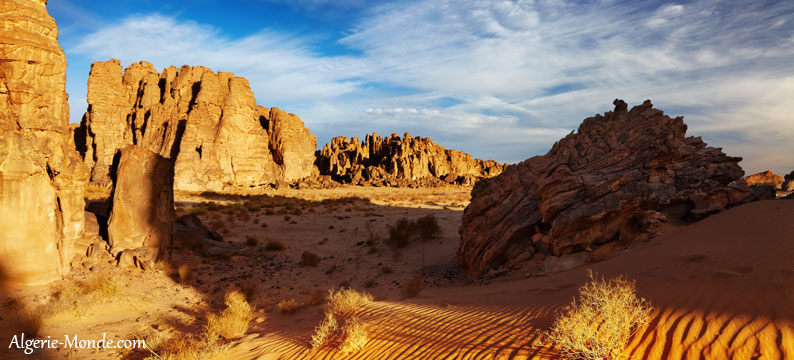
Tassili n’Ajjer lies in south-eastern Algeria around Djanet. This guide brings together the reliable facts needed to understand its landscape, protected status and the checks worth making before a visit.
Key facts
| Status | Algerian cultural park |
|---|---|
| Location | south-eastern Algeria around Djanet |
| Published area | about 72,000 km² within the UNESCO World Heritage property |
| Recognition | UNESCO World Heritage property since 1982 and Biosphere Reserve since 1986 |
| Main base | Djanet |
Understanding the protected area
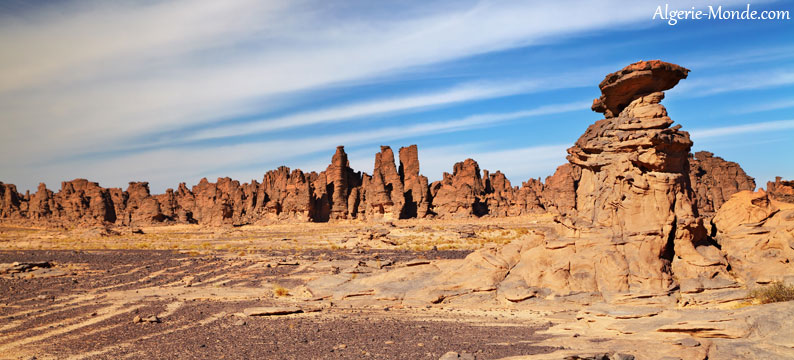
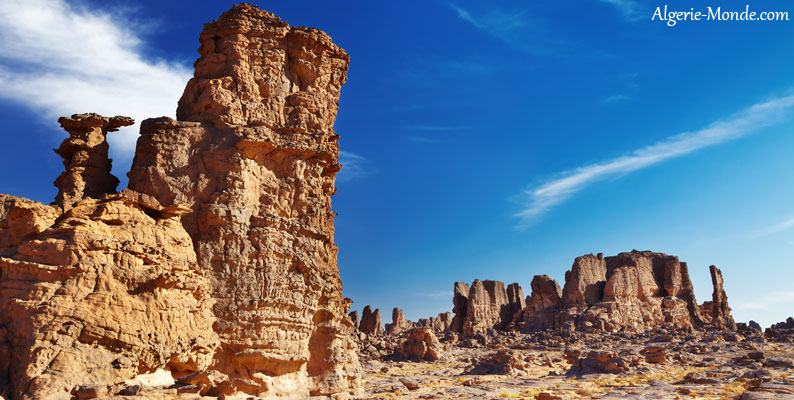
Tassili n’Ajjer is not a single viewpoint or short walk. The protected area brings together sandstone plateau, eroded rock forests, the Sahara and gueltas, and changes in height, water and exposure shape what visitors see across the site.
Boundaries, legal names and published areas have changed over time. This page therefore uses the current reference material issued by Algeria’s Directorate-General of Forests, the Ministry of Culture or UNESCO, depending on the park, rather than repeating conflicting historical figures.
Its designation includes UNESCO World Heritage property since 1982 and Biosphere Reserve since 1986.
The published reference area is about 72,000 km² within the UNESCO World Heritage property.
Landscapes and viewpoints
The best way to read this landscape is to follow the transition between habitats. The principal settings are sandstone plateau, eroded rock forests, the Sahara and gueltas. They affect the available routes, the quality of viewpoints and how quickly soil or vegetation can be damaged by heavy footfall.
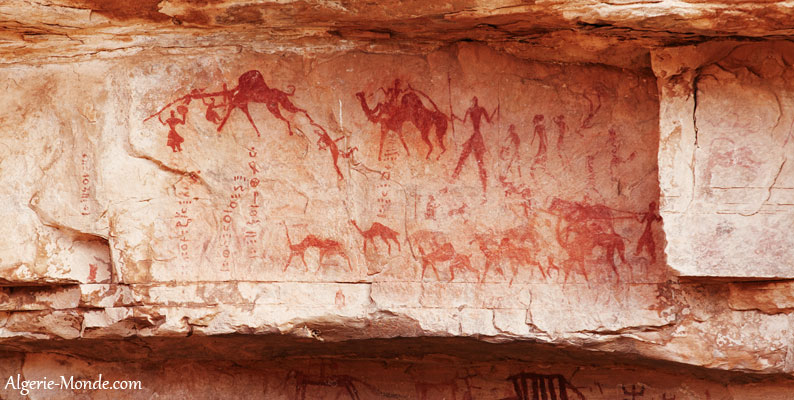
Frequently cited landmarks include more than 15,000 recorded drawings and engravings, Djanet, prehistoric rock art, eroded sandstone formations and historic ksour. Some are natural features, while others are heritage sites or practical orientation points. Access, road conditions and temporary closures should be confirmed locally rather than inferred from an old map.
Plants and wildlife
Plants and wildlife change with altitude, water and exposure. Regularly documented elements include Saharan cypress, acacias, Barbary sheep, dorcas gazelle and fennec fox. The list explains the habitats a visitor may pass through, but it is not a promise that a particular animal will appear.
Watch wildlife quietly and from a distance. Feeding or chasing animals for a photograph changes their behaviour and can place both visitors and animals at risk. In forest areas, fire, wind, snow or restoration work may also close a route at short notice.
Heritage and places to see
Cultural heritage and environment cannot be separated here. Geology, Saharan routes, archaeological sites and living local traditions form one story. Do not scratch, move or collect anything, particularly around rock art and ancient remains.
Tassili n’Ajjer is known for eroded sandstone formations and more than 15,000 drawings and engravings recorded by UNESCO. The art documents environmental change, animal migrations and a long human presence on the edge of the Sahara. Historical photographs appear in the relevant sections so that each image remains connected to the place and subject it records.
Planning a visit
Djanet is the main base named in this guide. Before leaving, confirm road conditions, areas currently open to visitors, weather, seasonal restrictions and whether a guide or permit is required for the intended sector.
Saharan travel requires serious logistics: long distances, intermittent mobile coverage, sharp temperature changes and very few services outside towns. An authorised local operator is a safer choice than improvising alone with an unfamiliar vehicle.
Heat and light change quickly. Build the route around current conditions, carry appropriate reserves of water and fuel, share the itinerary with a reliable contact and cancel the trip if local authorities advise against travel.
Do not rely on archived opening times or prices. Park offices, local tourism services and relevant authorities are the right sources for operational details. Carry suitable water and clothing, leave time for delays and plan to finish before darkness.
Visit without damaging the site
A good visit leaves no new mark. These basic rules matter in forests, wetlands, exposed mountains, desert surfaces and archaeological areas alike.
- Stay on authorised paths and access routes.
- Carry every item of litter out, including food waste.
- Light no fires and respect seasonal restrictions.
- Do not feed wildlife; watch from a calm distance.
- Do not touch rock art, ruins, plants or geological features.
- Use authorised local guides and services where the terrain calls for them.
Tassili n’Ajjer rewards preparation that matches the terrain. Check the official sources, confirm conditions locally and keep the day flexible enough to turn back when weather, roads or conservation rules require it.
Practical questions
Where is Tassili n’Ajjer?
Tassili n’Ajjer is in south-eastern Algeria around Djanet. Djanet is the main base named here, but the exact approach should be confirmed for the season and any current restrictions.
What can visitors see?
The principal landmarks include more than 15,000 recorded drawings and engravings, Djanet, prehistoric rock art, eroded sandstone formations and historic ksour. The wider landscape also includes sandstone plateau, eroded rock forests, the Sahara and gueltas, with plants and wildlife adapted to those habitats.
Can the park be visited without a guide?
That depends on the sector. Some approaches near towns are straightforward, while desert routes, border areas, caves and isolated mountain terrain may require a guide and formal permission. Confirm locally before setting out.
When is the best time to visit?
There is no single answer for the whole protected area. Heat, snow, rainfall, wind, fire risk and road conditions should be checked shortly before the planned visit.
Official sources and verification
The sources below support the status, area and principal characteristics used in this guide. Opening hours, fees, closures and access conditions must still be checked with the competent local authorities shortly before travel.