


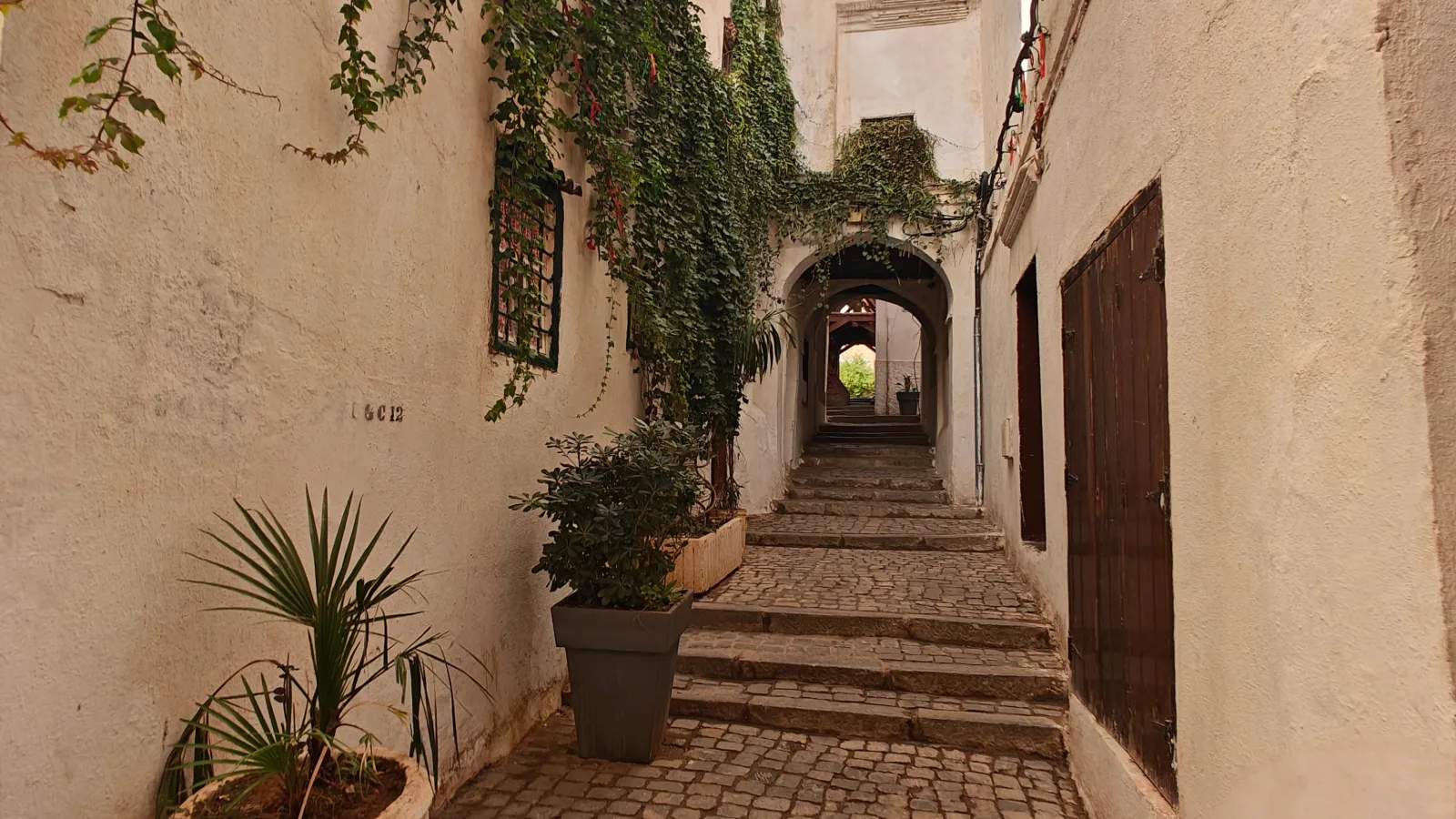
The Casbah is not a single fortress behind a ticket gate. It is Algiers’ inhabited old town: a dense hillside of lanes, houses, workshops and monuments. A good visit leaves room for conversation and observation, rather than treating its streets as a checklist of sights.
Algiers · Visitor guide
What makes it worth visiting
- An inhabited UNESCO World Heritage medina
- Traditional houses, Ottoman palaces and old mosques
- A street network shaped by the hillside
Understand the neighbourhood before walking it
Inscribed on UNESCO’s World Heritage List in 1992, the Casbah preserves a distinctive urban fabric adapted to steep, uneven ground. Its story reaches through the Zirid period and the Ottoman regency to colonial changes and the struggle for Algerian independence.
UNESCO highlights not only individual monuments but also traditional homes, hammams, markets and community life. That distinction matters on the ground: many attractive doors and courtyards belong to residents, not visitor attractions.
Look beyond the famous façades
A knowledgeable local guide can help you read the connections between lanes, domestic buildings, religious sites and the seafront. Agree the route, language, duration and price before starting; a guide can also explain which interiors can actually be visited.
- Look at how narrow passages and steps respond to the slope.
- Observe traditional entrances and architectural details from public space.
- Treat the citadel and individual palaces as separate visits whose opening must be checked, not automatically included stops.
Choose a clear starting point
Place des Martyrs has a metro station and is a practical lower-town rendezvous. The map below marks this orientation point, not “the entrance” to the whole Casbah. For a downhill itinerary, ask your guide to arrange an upper-town meeting point and explain how to get there.
Descending reduces uphill effort but still involves steps and uneven surfaces. Do not rely on a map’s straight-line distance to estimate how easy a route will be.
Tickets, opening and time
There is no single ticket or opening timetable covering the whole inhabited district. Museums, palaces and other managed sites set their own conditions; some interiors may be unavailable on the day. Agree what your tour includes before paying.
Allow roughly two to three hours for an introductory walk, with extra time for confirmed interiors and breaks. Choose daylight and a manageable route rather than rushing through unfamiliar alleys to meet a tight onward connection.
Respect residents and your own pace
Ask before photographing people or entering a courtyard. Keep doorways and narrow passages clear, and never assume that a rooftop is open to visitors simply because it offers a view.
- Wear shoes with good grip; paving and steps can be slippery when wet.
- Bring water and build in pauses, especially in warm weather.
- Do not assume a stroller or wheelchair can follow a standard walk. Discuss a shorter lower-town route and its specific obstacles in advance.
A sensible old-town combination
Ketchaoua’s exterior fits naturally into a lower-Casbah outing. Bastion 23, towards the seafront, adds a managed palace complex with a different pace of visit. It is advertised as closed on Sundays, so organise the day around actual opening conditions rather than promising all interiors.
Sources & visitor information
Sources checked
Build your itinerary
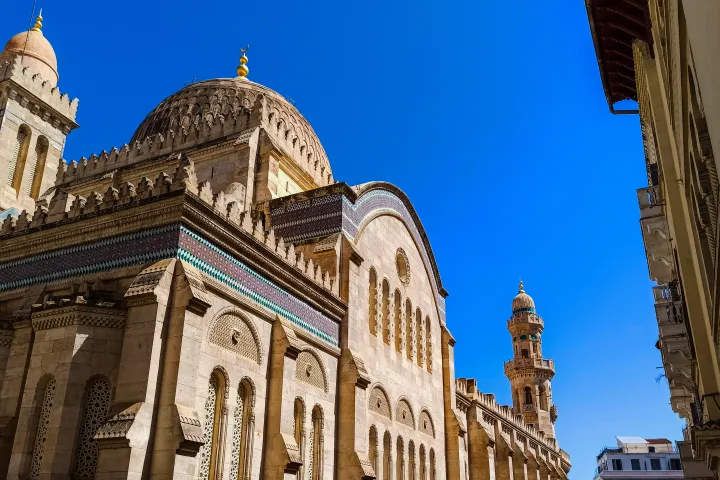
Ketchaoua Mosque: a respectful visit to the lower Casbah
Locate Ketchaoua Mosque by the lower Casbah, understand its history and plan a respectful exterior or permitted interior visit in Algiers.
Read the guide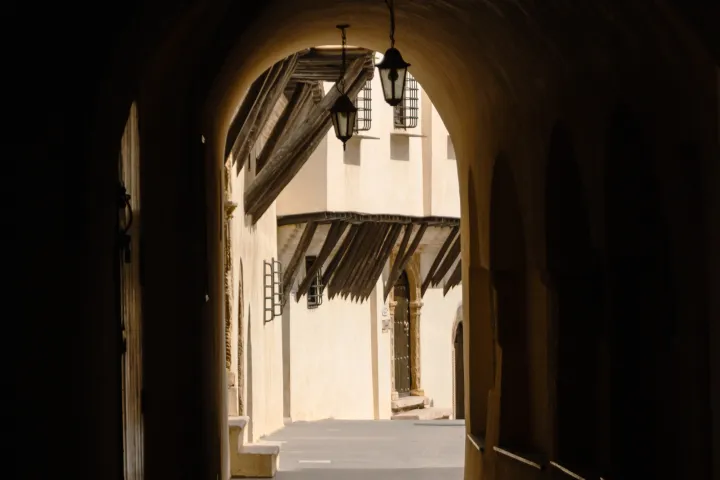
Bastion 23: visiting the Palais des Raïs in Algiers
Visit the Palais des Raïs, or Bastion 23: palace courtyards, seafront heritage, official opening and ticket information, access advice and map.
Read the guide