

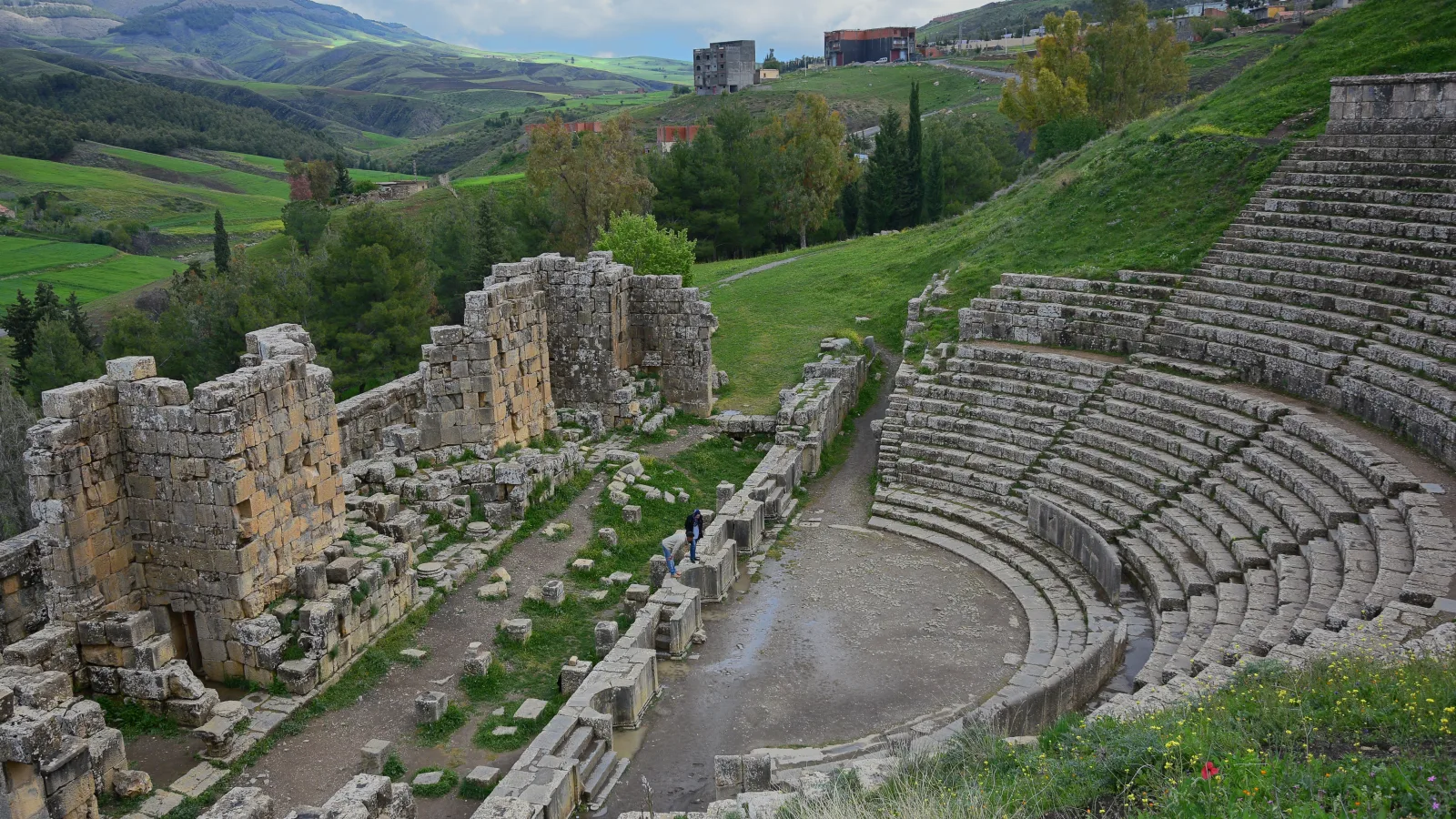
Algeria’s culture is too broad to reduce to a single checklist. It includes heritage sites and living traditions, museums and libraries, music and cinema, literature and theatre, artisanat, research institutions, and the everyday cultural life of towns, oases, mountains and coastal cities. This ALG DZ guide gives readers a safe starting point: where to verify cultural information from official and specialist sources before relying on it for travel, study, reporting or planning.
How to use this culture page
This page is a source-navigation guide, not an event calendar, legal database, museum directory or ticketing page. It is designed to help readers understand which official source family is most appropriate for each type of Algeria culture question. If you need a current opening time, ticket price, festival date, grant rule, office contact, protected-site status or statistical figure, recheck the exact source page on the same day before acting on it.
The safest way to read cultural information about Algeria is to separate broad context from operational detail. Broad context can come from official overview pages, cultural institutions and international heritage bodies. Operational details need narrower proof: the individual museum page, the event organiser, the relevant ministry notice, the UNESCO record, the legal text, or the official statistics publication that actually supports the claim.
The main official backbone: Ministry of Culture and Arts
For most culture questions, start with Algeria’s Ministry of Culture and Arts. Its official website is the primary public lane for culture and arts institutions, heritage themes, legal-text navigation, cultural diffusion, books and public reading, and related ministry programmes. For a reader building an Algeria culture file, this ministry source should usually be checked before blogs, social media posts or private summaries.
The ministry’s heritage lane is especially useful for understanding how official culture sources frame preservation, access and the public value of heritage. Use it for broad orientation and for finding the relevant ministry pathway. Do not treat a broad ministry page as proof of a specific current service, contact, funding rule, exhibition, classification decision or restoration project unless that exact detail appears on a current source page.
Heritage, museums and cultural places
For museums, theatres, libraries, cultural establishments, classified sites and protected cultural property, Algeria’s cultural-map portal is a practical starting point. It helps readers move from a general culture question toward a place-based source lane. That is useful when you are trying to identify whether a museum, theatre, library or cultural place has an official listing path.
Use the map portal as a navigation tool rather than a final operational directory. A listing or category page should not be the only evidence for opening hours, admission fees, access rules, conservation status, addresses, contacts or visitor services. Before publishing or relying on those details, check the individual institution, the responsible public body, or the newest official page that confirms the detail.
UNESCO records: use UNESCO for UNESCO-owned claims
When the question involves World Heritage or intangible cultural heritage, go directly to UNESCO’s own records. The UNESCO World Heritage Centre page for Algeria is the correct starting lane for World Heritage records connected to Algeria. The UNESCO Intangible Cultural Heritage page for Algeria is the correct starting lane for intangible-heritage records, reporting context and element-level verification.
This matters because UNESCO-related claims are often repeated online with missing dates, old wording or simplified lists. If a sentence depends on a UNESCO count, inscription year, element name, state-party record, conservation note or committee information, use the exact UNESCO page and date. ALG DZ should not use search snippets, copied travel summaries or unsourced lists as the backbone for UNESCO claims.
Arts, cinema, literature, theatre and music
For arts, cinema, music, theatre, books and public reading, the Ministry of Culture and Arts remains the best first lane. Its arts and cultural-diffusion sections point readers toward institutions, support structures and public culture pathways. The same rule applies here: use ministry pages to understand the source map, then verify any current programme, service, fund, deadline, card, performance or institution-specific detail from the exact page that supports it.
Readers should be cautious with current cultural listings. A screening, festival date, book fair notice, concert, exhibition or award item can change quickly. Treat social posts and media articles as discovery leads only until an official organiser, venue, ministry page or other reliable source confirms the current detail.
Traditions, identity and research context
Culture also includes traditions, memory, language, identity, craft knowledge and the long relationship between communities and place. For this layer, combine official culture sources with specialist research institutions. The Centre National de Recherches Préhistoriques, Anthropologiques et Historiques is a useful research-context lane for prehistoric, anthropological and historical questions. UNESCO’s intangible-heritage records can also help when a claim specifically concerns an officially recorded heritage element.
Be careful with wording around identity and living traditions. Avoid presenting communities as fixed museum objects, avoid assigning ownership casually, and avoid making ethnic, linguistic or religious claims without exact sourcing. A respectful culture article should tell readers where to verify information and should leave room for regional variation, community voice and updated research.
Artisanat and the tourism-culture overlap
Algerian craft and artisanat sit between culture, economy and tourism. For source navigation, the Ministry of Tourism and Handicrafts is a useful supporting lane, especially for artisanat themes, craft-sector pathways and tourism-culture overlap. It can help readers locate the official family responsible for craft-related public information.
Do not turn broad artisanat navigation into unsupported claims about prices, labels, registration procedures, training, product authenticity, numbers of artisans, or market conditions. Those details need the exact official page, current programme text, legal reference, or statistical publication that supports them.
Statistics and cultural-sector figures
If a culture article needs figures, the safest starting point is Algeria’s official statistics system and the relevant publication path. The Office National des Statistiques is the official source lane for statistics and publications. Use it to look for tables, reports and definitions before quoting figures about population, employment, institutions, prices, expenditure, activity or sector trends.
Figures should not be guessed from article summaries or reused from old pages without checking the publication date, table definition and geographic scope. If ALG DZ later adds statistics to this page, each figure should state exactly what it measures and which official table or publication supports it.
A practical verification checklist
- For broad culture and heritage orientation: start with the Ministry of Culture and Arts.
- For museums, theatres, libraries and cultural places: use the cultural-map portal to find the source lane, then verify the individual place.
- For UNESCO heritage: use UNESCO World Heritage Centre or UNESCO Intangible Cultural Heritage records directly.
- For research context: consult specialist research institutions such as CNRPAH and check the exact publication or institutional page.
- For artisanat: use the Ministry of Tourism and Handicrafts as a supporting official lane.
- For numbers: use official statistics publications and quote figures only with date, table and scope.
- For events, prices, opening hours and contacts: verify the exact organiser, venue or official page on the same day.
What this page deliberately does not claim
This guide does not publish live event schedules, museum opening hours, ticket prices, venue contacts, protected-site legal status, UNESCO counts, funding rules, officeholder names, cultural-industry figures, festival dates or artisanat procedure details. Those details can be added later only when the exact source body is checked and the wording is safe for public readers.
For now, the goal is to turn an empty ALG DZ culture page into a useful, honest and verifiable gateway. Readers get a clear map of the official source families, and future ALG DZ updates can build from this foundation without relying on copied summaries, outdated snippets or unsupported cultural claims.